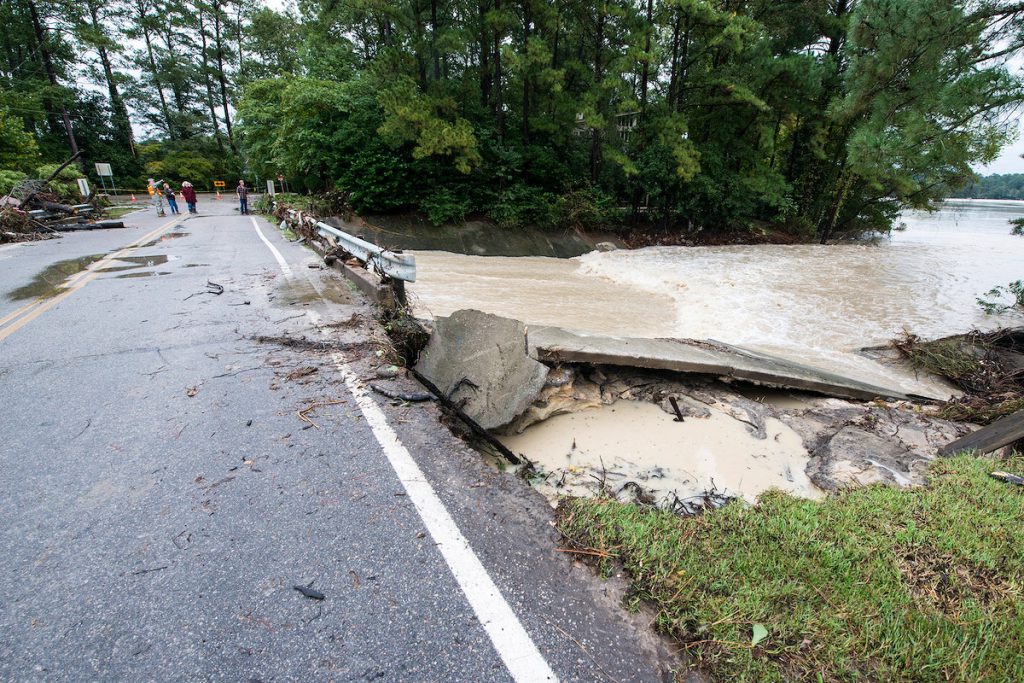
As the planet’s temperature rises due to human activities like burning fossil fuels, deforestation, and industrial processes, several factors contribute to increased flood risks:
– Intense Precipitation: Warmer temperatures lead to higher rates of evaporation, causing more moisture to be present in the atmosphere. This can result in heavier rainfall events, increasing the potential for floods,
– Sea Level Rise: As global temperatures rise, glaciers and polar ice caps melt, causing sea levels to rise. Higher sea levels can lead to coastal flooding, especially during storm surges and high tide events,
– Melting Snow: In regions where snowfall is common, higher temperatures can lead to earlier and faster melting of snowpacks. This can contribute to river flooding during the spring thaw,
– Changes in Weather Patterns: Climate change can alter weather patterns, leading to prolonged periods of drought followed by intense rainfall, which increases the risk of flash floods,
– Urbanization and Land Use: Rapid urban development and inadequate land-use planning can exacerbate flood risks. Paved surfaces and impermeable infrastructure prevent natural water absorption, leading to more runoff during heavy rainfall,
– River and Coastal Erosion: Rising sea levels and increased rainfall can erode riverbanks and coastlines, making areas more susceptible to flooding.
From flood protection to modelling the effects of climate change in the medium to long term, with water resource assessment in catchment management, Energy Point’s goal is to ensure that our clients have comprehensive solutions and sustainable technologies that protect human health and nature in a dynamically changing environment.